Contents
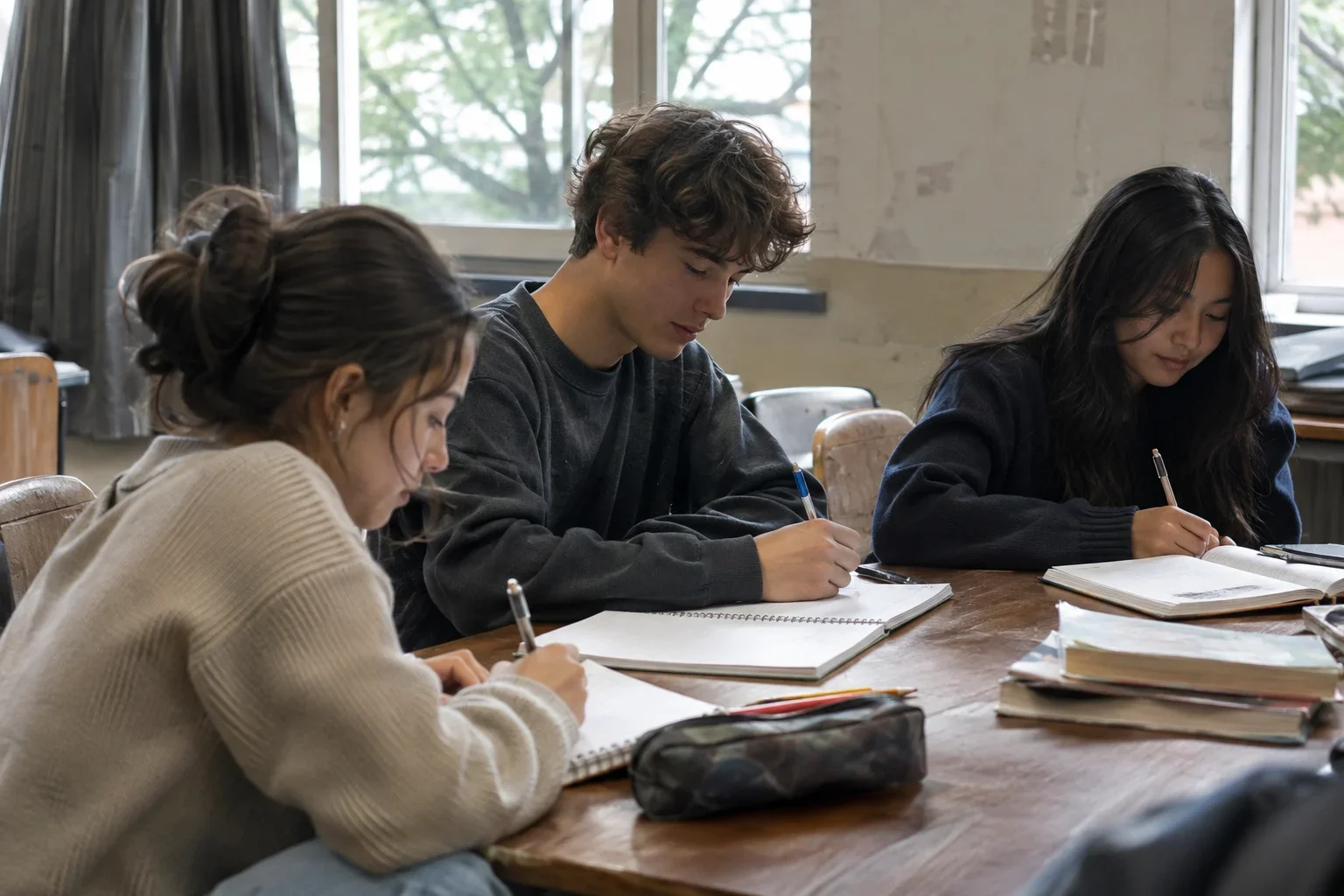
A generated person name can give students a useful first step when they are unsure whom to write about. Choose a name, jot down an immediate impression, then create a character whose goal, choices and circumstances give them a life beyond that impression.
This exercise works individually or in groups and can lead to a short scene or a longer story. Its central question is simple: what do we imagine when we see a name, and how can a writer make room for more than that first reaction?
Set up the name prompt
Begin by telling students that the generated name belongs to a fictional character they will invent. The name is a prompt, not a description: it does not establish the character’s personality, family history, abilities or beliefs. Students will decide what happens in the story and consider whether their first assumptions are helping or limiting their choices.
Choose a working arrangement that suits the class. Students can each create a character, pairs can negotiate one together, or small groups can use the same name and develop separate characters before comparing them. For a focused discussion, give everyone the same generated name. For a wider range of prompts, let students select different names.
Write the sequence where students can see it:
- Select a name for a fictional character.
- Record and question an initial impression.
- Give the character a goal, a complication and a choice.
- Write a short scene and reflect on the result.
Set expectations for sharing before the writing begins. Students can discuss their fictional characters without revealing personal experiences behind every association. They can also choose a different name if a prompt feels too close to someone they know. Ask the class to discuss ideas about names respectfully and avoid making claims about classmates or real people.
Decide what the finished work should look like: for example, one paragraph of notes followed by a short scene. If students will read their scenes aloud, tell them in advance so they can choose what they are comfortable sharing.
Generate and select a person name
Open the person-name generator and look at the available choices with students. The generator combines local name data; the resulting names are useful starting points for fiction, but a result alone does not supply a character’s story.
Choose a language for the exercise from the options available. Then consider which name format supports the writing task. A first name leaves the rest of the name open for students to decide; a last name can prompt a discussion about how a character is addressed; a full name gives students more of the name to work with from the outset. The class can use one format for comparison or let writers choose according to their stories.
If a surname override is available and useful, decide whether to enter a surname before generating candidates. A shared surname, for example, could give a group a common starting point while leaving each student free to create a different character. Students do not need to use an override to complete the exercise.
Generate candidates and ask each student or group to select one. They might pick a name that sparks a question, a name they find unfamiliar, or simply the first candidate they are comfortable using. Have them copy the selected name into their notes so they can return to it throughout the exercise.
Before assigning a specific cultural setting or background to the character, encourage students to research the context they intend to portray. If they are unsure about a name’s use, they can investigate it or choose another name; the generated result should not be treated as proof of a person’s identity.
Record and question first impressions
Ask students to write a quick private response to the selected name before planning the story. What image, mood or possible character comes to mind? A few words are enough. They might imagine someone confident, cautious, curious or impatient, or they might find that the name brings no clear impression at all. Both responses can start a useful discussion.
Next, have students draw two columns in their notes: First impression and What might have shaped it? In the first, they record an association. In the second, they consider where it might come from: a fictional character they remember, someone they have met, a familiar sound or an expectation they have absorbed. They do not need to identify a definite cause for every response.
For example, a student might write, “I imagined a serious person,” then add, “This reminds me of a character in a book.” That note makes the association available for examination. It does not show that the generated name means “serious” or that people with the name share that trait.
Invite students to ask themselves:
- Which details did I add that the name did not actually tell me?
- Could a different reader imagine something else?
- Is my impression based on a person or story I already know?
- What other possibilities would be interesting to explore?
Students can keep these notes private and share a general observation instead. The aim is to notice how an impression forms, not to demand that everyone explain a personal association. Keep the notes nearby for the later revision: students can use them to decide whether to follow, change or complicate their first idea.
Build a character and a short scene
Now move from association to action. Ask students to give the named character a specific goal, an immediate complication and a choice. The goal gives the character something to pursue; the complication makes progress uncertain; the choice lets readers see how the character responds.
A planning frame can keep the task manageable:
- Name: The generated name the student selected.
- Goal: What does the character want right now?
- Complication: What stands in the way?
- Choice: What can the character do, and what might that choice cost?
- Unexpected detail: What could complicate a reader’s first impression?
For example, a student might create a character who wants to return a borrowed object before its owner leaves. The complication is that the character has misplaced it. They must decide whether to admit the mistake now or keep searching while time runs short. A character first imagined as confident might hesitate before telling the truth, then make a difficult decision anyway. The scene can show more than one side of that person without claiming the name caused either trait.
Have students write a short scene beginning close to the problem. Encourage them to show the goal through an action or a line of dialogue, introduce the complication, and bring the character to a decision. The scene need not resolve the entire story; it should make clear what the character chooses in that moment.
Revisit the first impression
Once the draft is written, students can compare it with their earlier notes. Did they follow their first idea? Did the character surprise them? Ask them to revise one sentence or action to add a meaningful detail: perhaps the character notices another person’s concern, changes a plan, or reveals a reason for hesitating.
A surprise does not have to be dramatic. A small choice can make a character more individual when it grows from the situation. If a story uses a particular cultural setting or experience, students should research the relevant context and consider whose perspectives they need to understand before making specific claims.
Compare and reflect
Bring students back together to compare the decisions they made. If everyone used the same name, ask how many different goals, complications and choices appeared. If students used different names, invite them to compare the steps they took from name to scene. Pairs can exchange drafts, or volunteers can summarize their characters without reading the full text aloud.
A reader can respond with two observations: one detail that made the character feel specific and one question the scene raised. Useful questions might include, “Why was returning the object so important?” or “What might the character do after making that choice?” This gives the writer something concrete to consider without asking the reader to judge whether a name fits a presumed personality.
Discuss the exercise as a class:
- How did different writers develop the same name into different characters?
- Which choices added depth beyond an initial impression?
- What did the name leave open for the writer to decide?
- What context would need research before expanding the story?
End with a brief written reflection. Students can identify one assumption they noticed, one decision they made deliberately and one change they might make in a later draft. They can also describe an impression they kept and explain how the scene made the character more particular.
The finished pieces may point in many directions, even when they begin with the same prompt. That variety is useful: it shows how much of a character comes from the writer’s choices and why a name alone should not be treated as proof of someone’s identity or background.